Behind the photographs
The moments that matter rarely announce themselves.
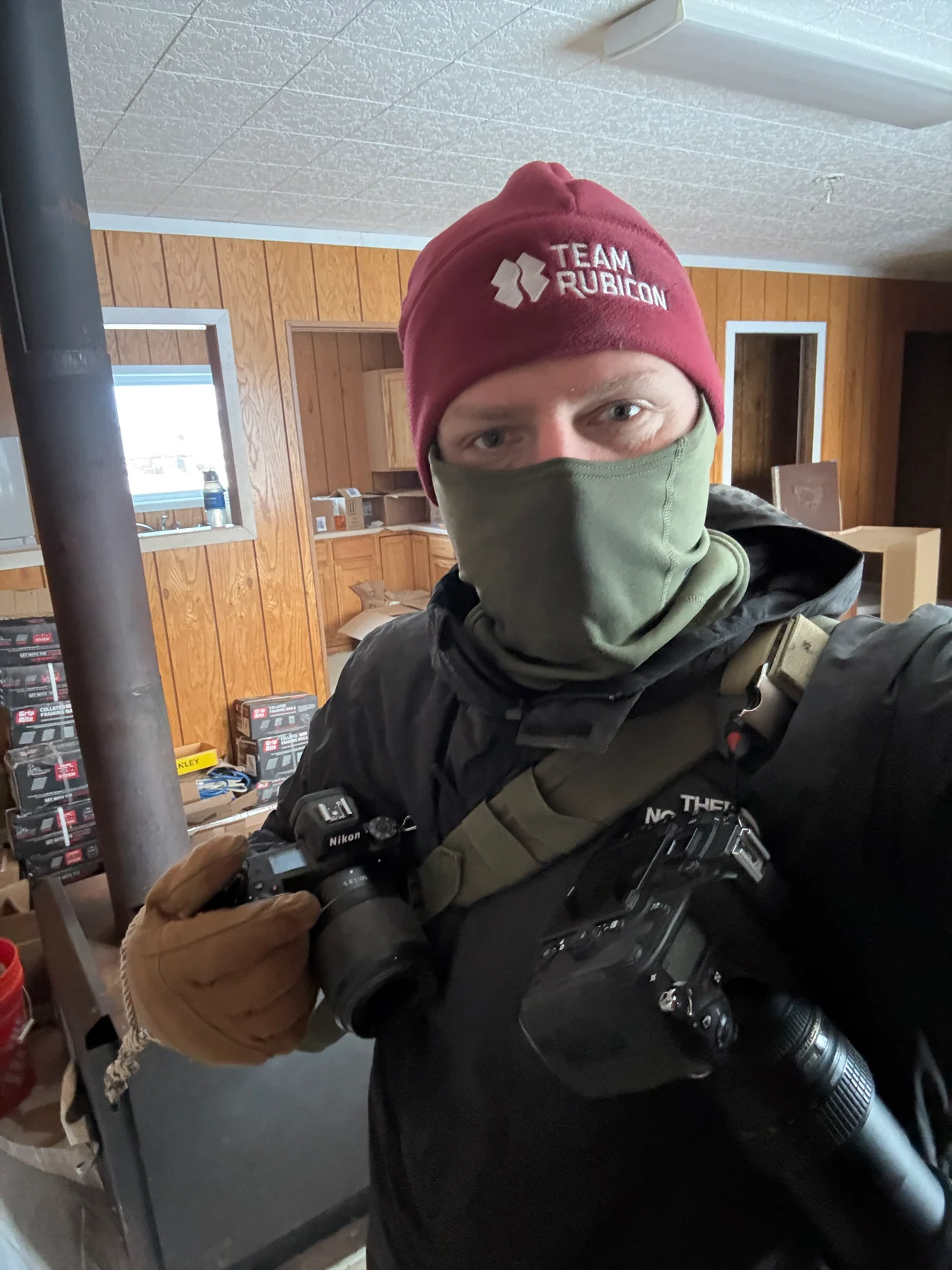
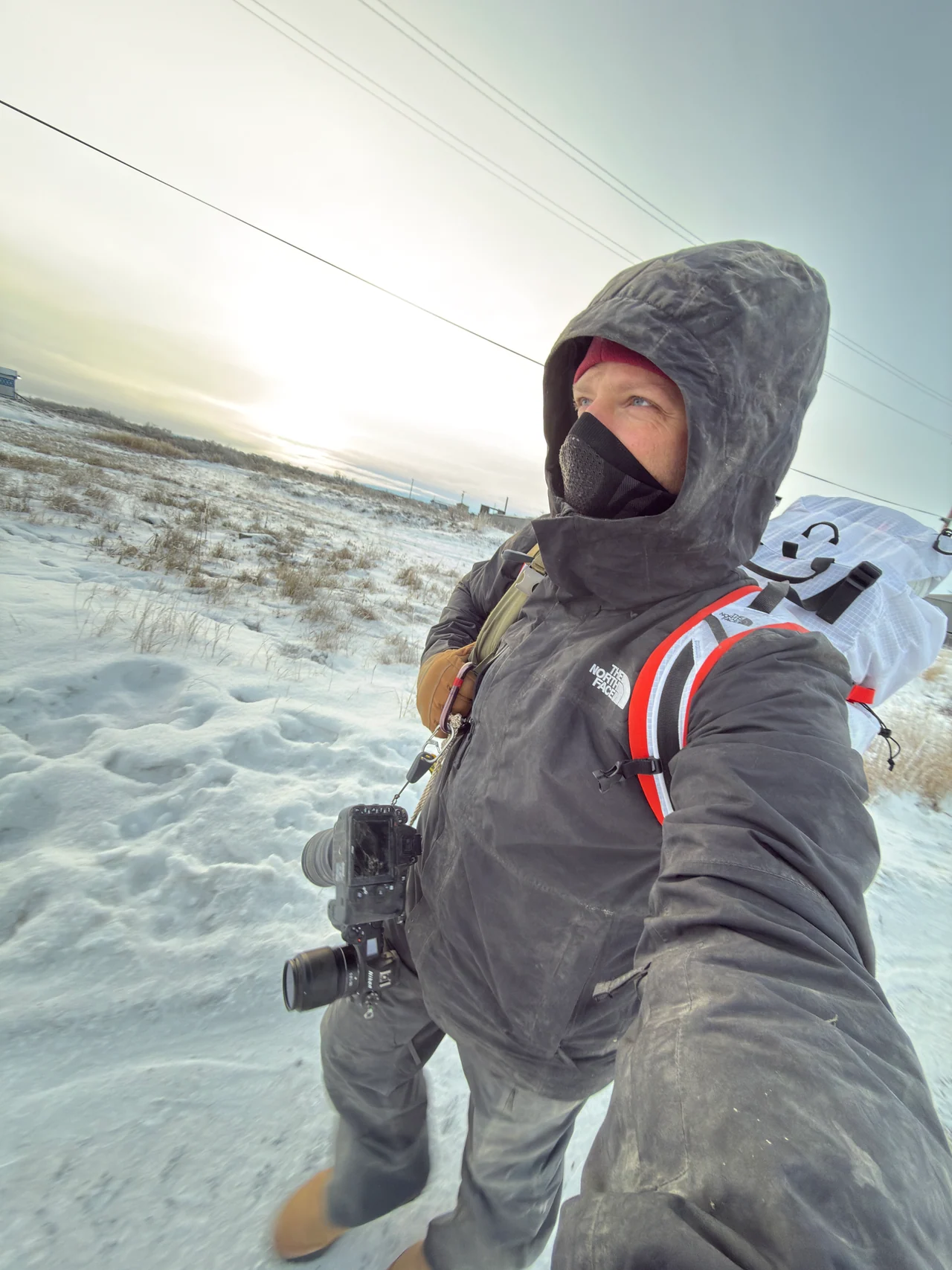
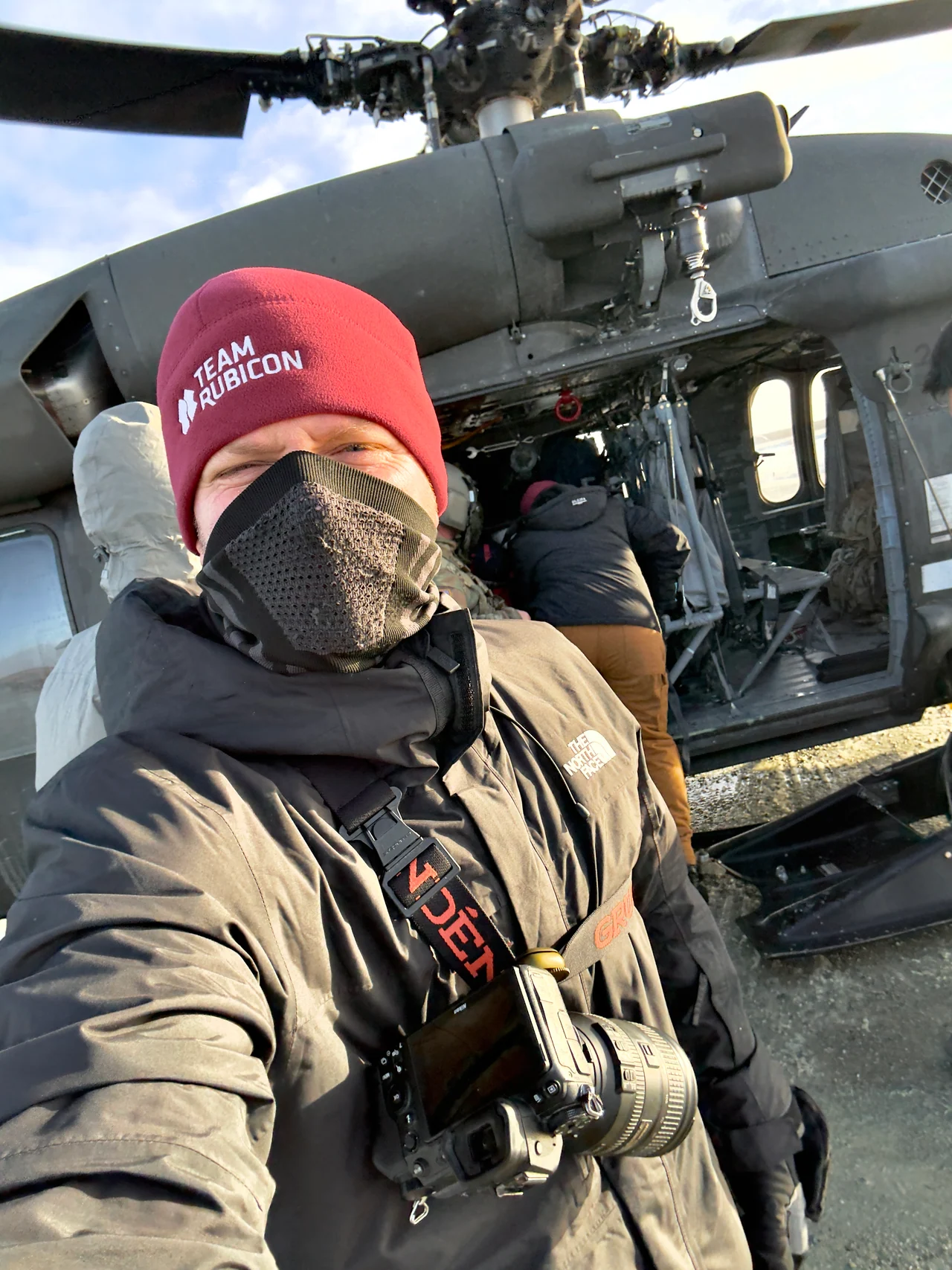
A wild animal emerges and pauses in the light for only a few seconds before disappearing. A family steps back into what remains of their home after a disaster. An exhausted and mud-covered volunteer, hundreds of miles from their own, keeps working long after the cameras would normally leave.
Those are the moments I’m drawn to. The imperfect and unpredictable.
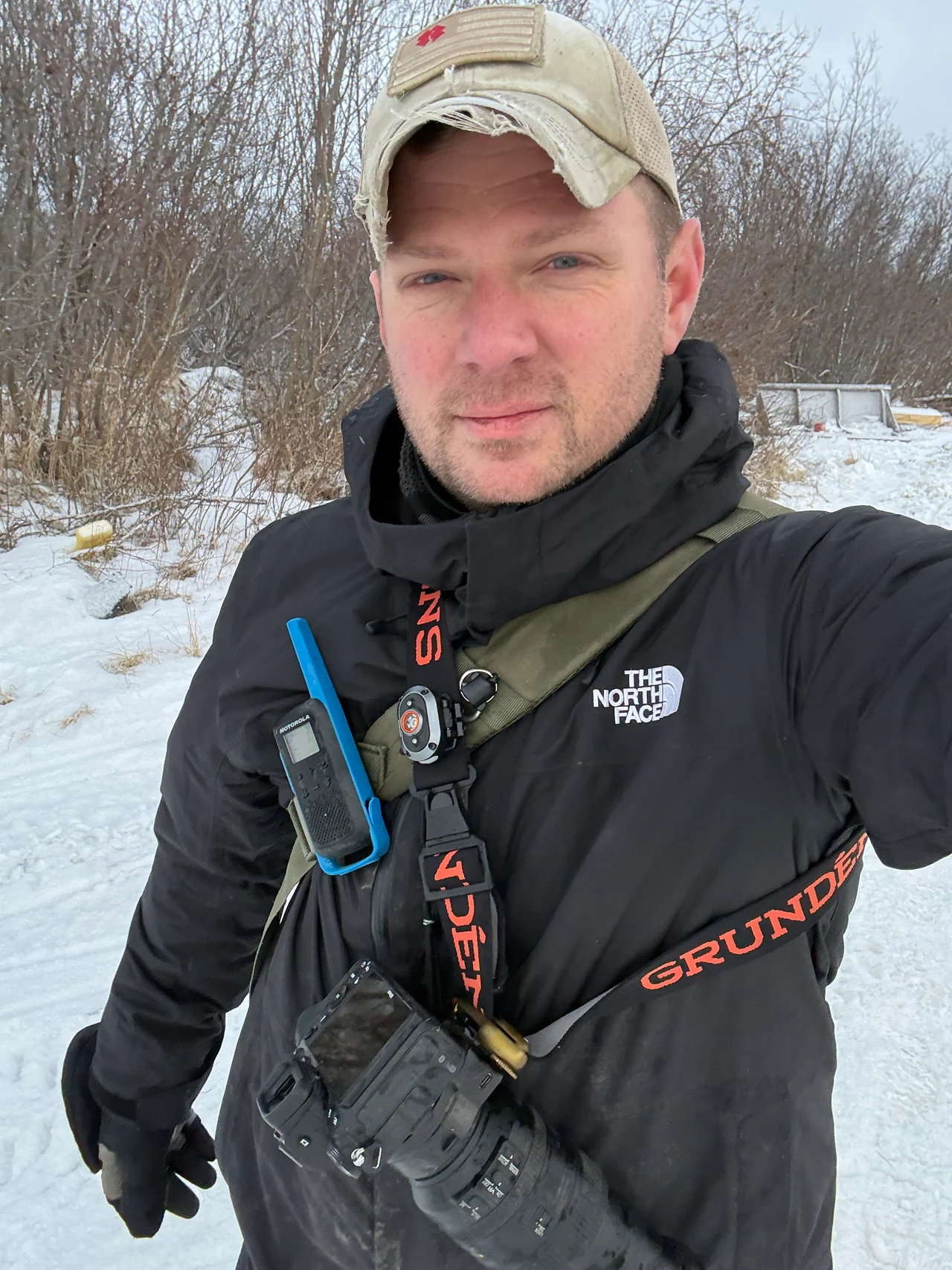
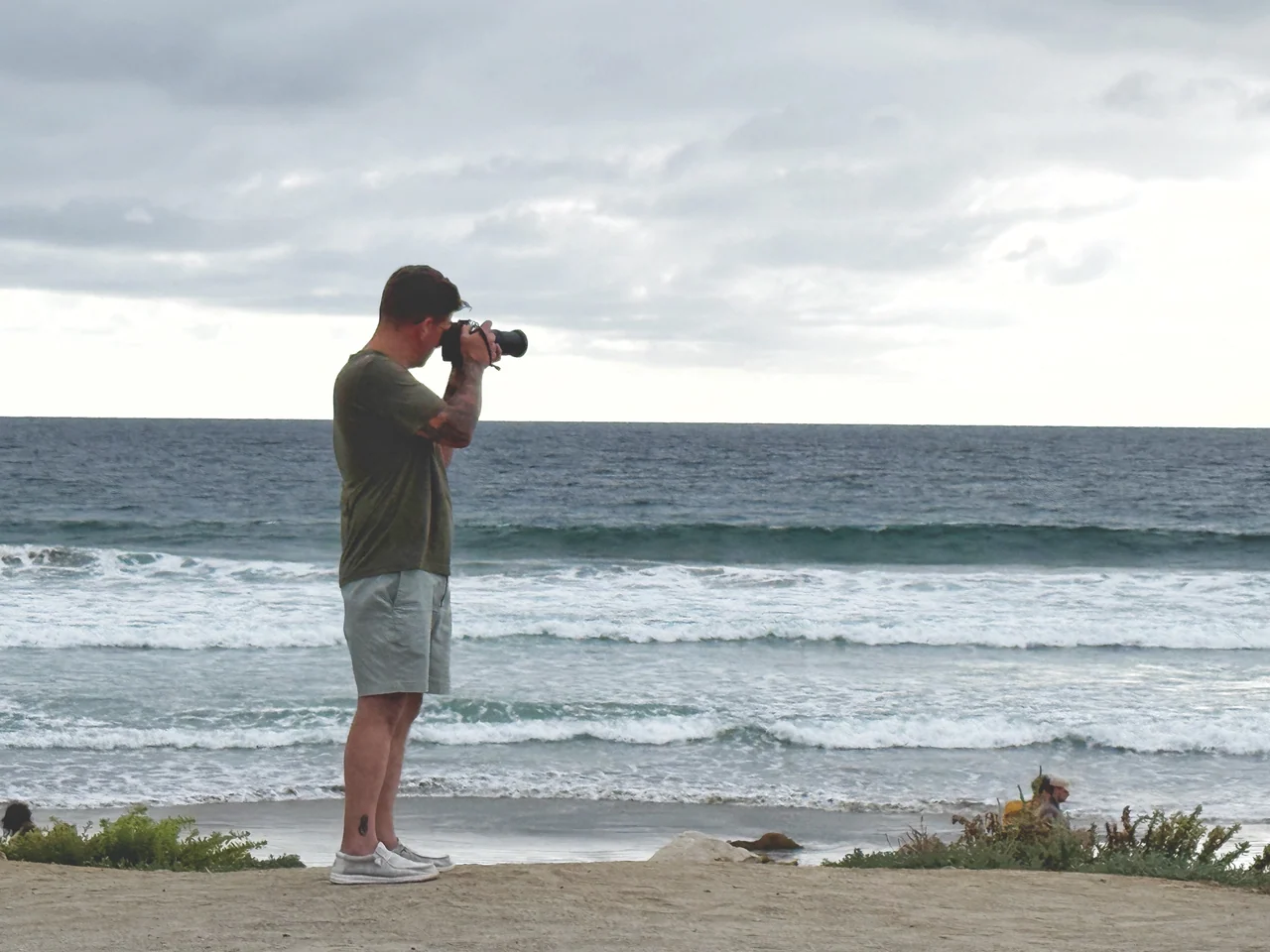
I’m Josh Walker, a photographer and visual storyteller focused primarily on wildlife, the natural world, and disaster response and recovery operations. While those subjects may seem very different, my approach to photographing them is remarkably similar: slow down, pay attention, understand what is happening in front of and around you, and always be ready when the story reveals itself.
I’ve spent more than a decade photographing wildlife, often working patiently at the edges of an animal’s world. Watching behavior, movement, weather, habitat, and light before ever pressing the shutter button. The images I’m most interested in capturing aren’t simply records of an encounter. I want an image to communicate something about what it felt like to be there: the tension of a predator moving through tall grass, the quiet of an animal emerging from fog, the vulnerability of a young animal beside its mother, or the fleeting moment when wildlife and landscape come together perfectly.
At its best, wildlife photography creates connection to the world we live in and often lose sight of. It gives someone a reason to stop scrolling, look closely, and care about an animal or a place they may never encounter themselves.
My disaster response work happens in a very different environment but carries that same responsibility.
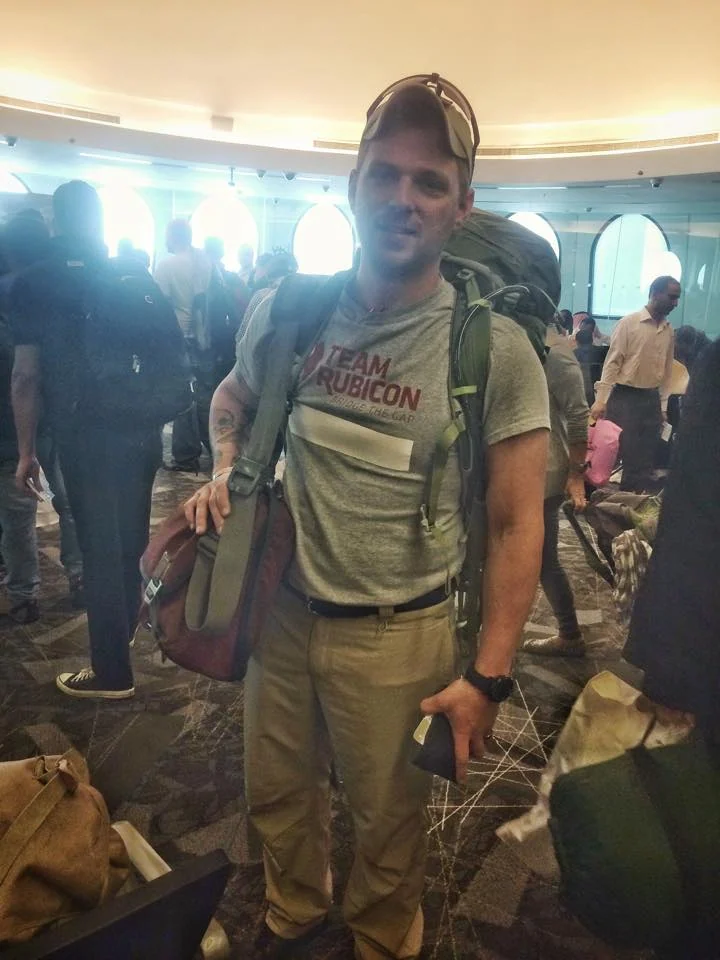
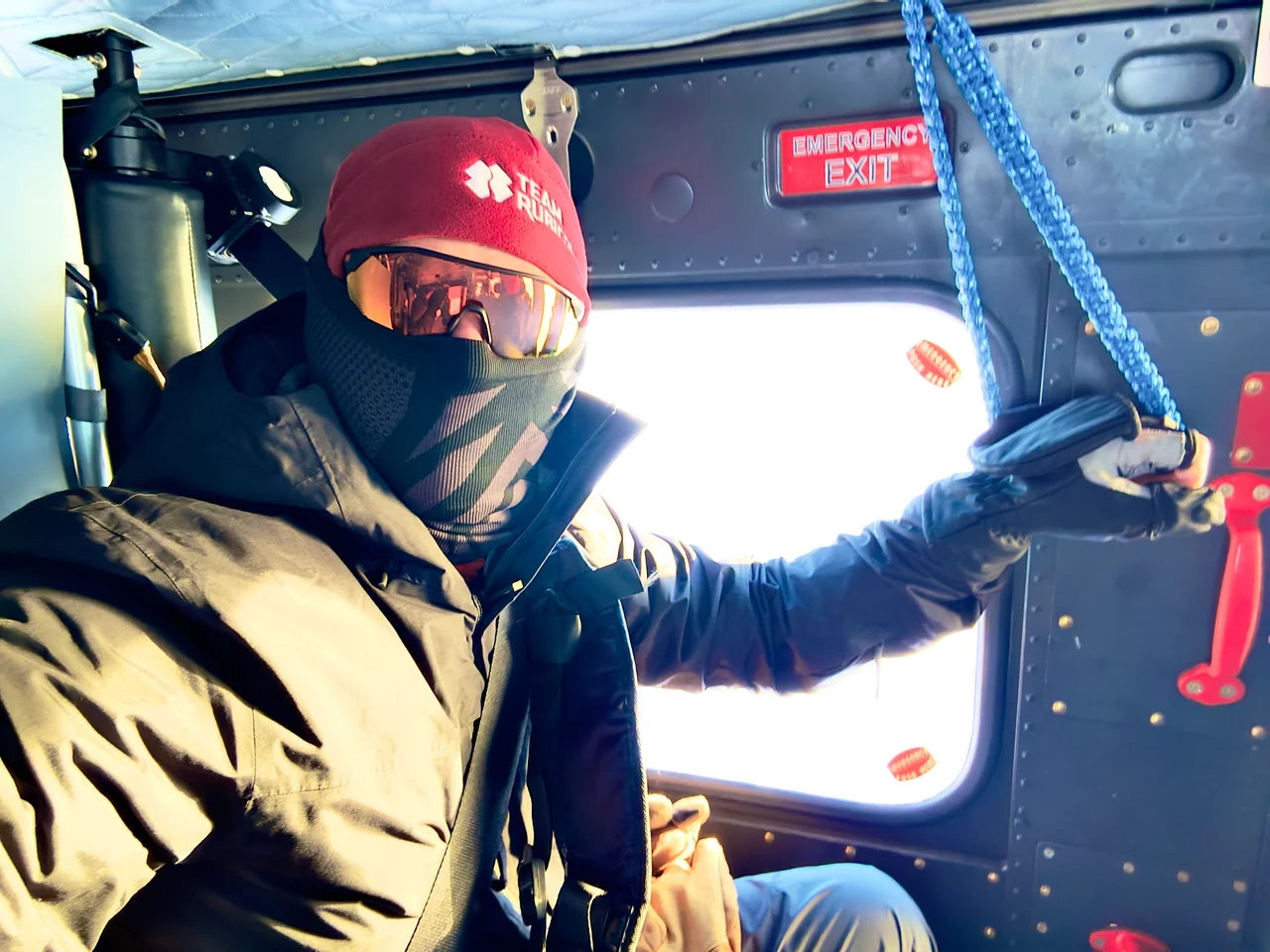
Through Team Rubicon and other disaster-response work, I’ve served in field photography, video, communications, and operational roles documenting disaster zones, affected communities, volunteers, and recovery operations. The objective is never simply to make dramatic images of destruction. It’s to document what happened honestly, preserve the dignity of the people living through it what may be the darkest hour of their lives, and show the enormous amount of human effort that begins after the headlines move somewhere else.
That work has taken me into environments where conditions change quickly and access, weather, logistics, safety, and operational priorities all matter. Sometimes the most important photograph is obvious. More often, it happens quietly somewhere beyond the obvious scene, like a homeowner telling a volunteer about what used to stand where a pile of debris sits now, a crew stopping for thirty seconds after hours of back-breaking work, or the expression on someone's face when progress finally becomes visible.
But long before I carried cameras into these environments, I learned to observe the world another way, in a different, more hostile environment.
In a previous life, I served in the U.S. Army as a 19D Cavalry Scout with the 1- 75th Cavalry Regiment, 101st Airborne Division, including combat operations in an area that came to be known as the Triangle of Death in southwest Baghdad, Iraq.
The primary role of a scout on the battlefield is reconnaissance moving in and through environments that can change in the blink of an eye. Recon requires you to notice what other people overlook or never notice: terrain, the slightest movements, patterns where they normally aren’t, and small details that may carry much larger meaning. It also teaches patience, situational awareness, adaptability, preparedness, and the importance of communicating clearly when circumstances are imperfect.
It isn’t lost on me how the discipline I sharpened in combat transfers to my photography.
Wild animals don’t follow the same schedules humans do, and disaster environments are inherently unpredictable. In either case, you can’t manufacture the moment. You have to understand the environment, anticipate what may happen next, put yourself in the right position, and be prepared when it does.
That is ultimately what photography is for me.
Observation before action, and connection over perfection.
Whether I’m tracking a coyote slink along a snowy river bank, waiting beneath a dark sky for a bolt of lightning to light up the night, or documenting people rebuilding after a disaster, my goal is the same:
Make images that allow someone else to feel, if just for a moment, what it was like to stand there.
Get in touch